
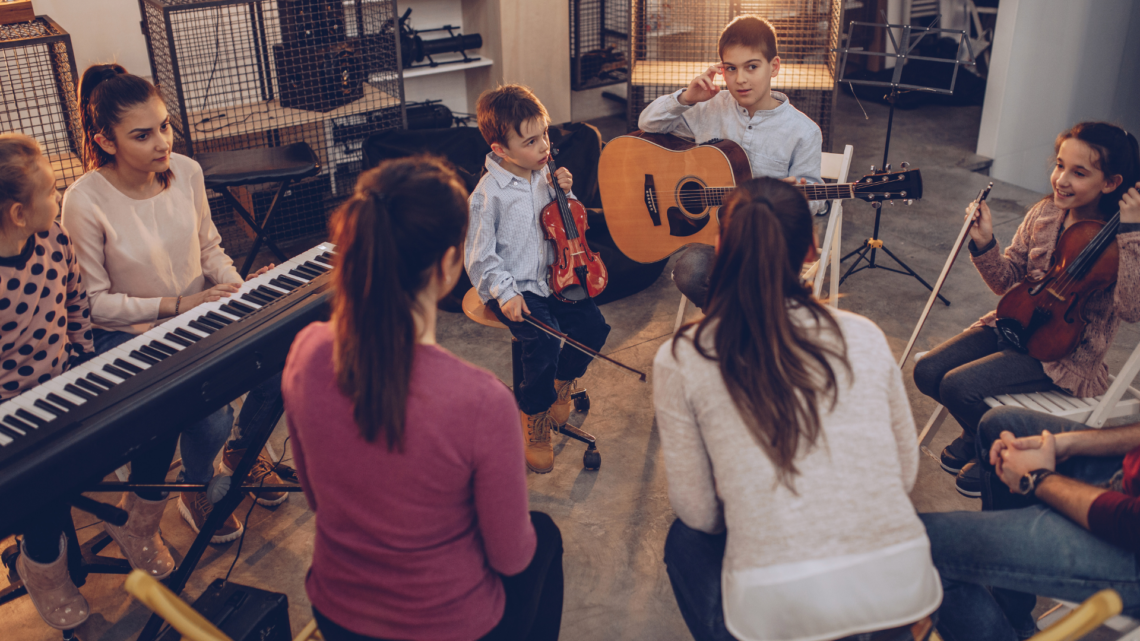
You want practice time that actually moves skill forward, not just hours logged. They will find clear, structured routines that fit different goals and timeframes so practice becomes efficient and focused. A reliable routine breaks sessions into short, goal-driven segments—warmup, focused technique, repertoire, and reflection—so progress happens every time you sit down.
This article shows practical routines for varied schedules and instruments, highlights how to set measurable goals, and explains simple ways to track improvement. By the end, they will know which routine to try tonight and how to adapt it as skills grow.
Best Music Practice Routines
A focused practice routine balances time, technique, and creative work while tracking progress. It includes a consistent schedule, targeted warm-ups, dedicated technical drills, repertoire time, ear and rhythm work, motivation strategies, and regular adjustment based on a practice journal.
Establishing Your Practice Schedule
They set a specific weekly practice schedule that matches life demands: short daily sessions (20–45 minutes) on busy days and longer blocks (60–120 minutes) when possible. Block time by purpose rather than by piece—warm-up, technique, repertoire, ear training, and creative work—so each session advances multiple skills.
Use a consistent practice time and place to build the habit. A dedicated practice space with minimal distractions and an instrument-ready setup saves transition time. Schedule sessions on a calendar and treat them as nonnegotiable appointments to strengthen consistent practice.
Track sessions in a practice log or journal: date, time, focus, tempo, and immediate goals. Reviewing the log weekly reveals which practice habits yield progress and which need changing. They prioritize quality over total minutes and adjust practice time to avoid diminishing returns.
Warm-Up and Finger Exercises
They begin each session with a 5–15 minute warm-up that includes finger stretches and mobility moves to reduce injury risk. Start with slow, relaxed stretches for fingers, wrists, and shoulders, then progress to single-note scales or open-string exercises at a comfortable tempo.
Include scales and arpeggios across keys, using a metronome to enforce steady time. Vary articulation—legato, staccato, accents—and dynamic range to warm both technique and musical control. Aim for measured increases in tempo only when accuracy stays high.
Add targeted finger exercises—Hanon, Czerny, or tailored patterns—if a technical limitation needs attention. Limit repetition to focused, short bursts with clear micro-goals (e.g., three clean bars at X tempo). Log tempos and error rates in the practice journal to measure improvement.
Technical Skills and Drills
They structure technical work around specific, measurable goals: clean sixteenth-note runs, accurate shifts, or precise alternate picking. Break complex technical goals into short drills of 2–5 minutes each and rotate them across sessions to avoid fatigue and plateaus.
Use a metronome to isolate rhythmic accuracy and gradual tempo increases (e.g., 4–8% increments). Record practice to spot timing or tone inconsistencies that feel different in the moment than they sound. Prioritize slow, precise repetition before increasing tempo to ensure long-term gains.
Integrate technique into musical contexts—apply a scale pattern to a passage in repertoire or practice arpeggios within chord progressions. That linkage makes technical gains transferable and improves sight-reading and improvisation skills. Maintain a practice journal noting successful tempos, recurring errors, and next-step targets.
Repertoire and Song Practice
They allocate the largest portion of longer sessions to repertoire practice, splitting time between learning new material and polishing performance pieces. Use a layered approach: slow study, sectional practice, hands-separately (if applicable), then full-speed runs with intent to fix specific issues each pass.
Mark musical and technical problems in the score and address them with focused drills—rhythmic isolation, small-loop repeats, and varied dynamics. Simulate performance conditions occasionally: play through without stopping, record, and review. Track progress in the practice log: measure pieces learned, sections polished, and tempi achieved.
Rotate repertoire across styles and keys to strengthen versatility and maintain motivation. Schedule regular mock performances for friends or video submissions; these checkpoints make practice time more outcome-oriented and highlight residual errors to target.
Ear Training and Rhythm Development
They dedicate 10–20 minutes per session to ear training and rhythm work to build musical intuition. Practice intervals, chord quality identification, and short transcription tasks using graded ear-training apps or simple call-and-response exercises with a tuner or piano.
Use rhythm drills with a metronome: subdivide beats, practice syncopations, and apply tempo changes. Clap or tap complex patterns before playing them on the instrument. For ensemble players, practice locking to a click and then to backing tracks to simulate real playing conditions.
Incorporate short melodic dictation and improvisation exercises to connect ear skills to instrument technique. Log progress—interval accuracy, transcriptions completed, and tempos held—to identify which ear or rhythm tasks need more frequent practice.
Motivation and Creative Exploration
They schedule creative exploration within the routine to prevent burnout and spark growth. Reserve at least 10–30 minutes for improvisation, composition, or learning new genres, using prompts like chord progressions, rhythmic grooves, or melodic motifs.
Set specific, achievable micro-goals and celebrate milestones in the practice journal. Use varied stimuli—new repertoire, collaborations, or weekly challenges—to refresh practice motivation. When motivation dips, switch session focus or shorten deliberate-practice segments to maintain consistent practice without frustration.
Create external accountability: small public goals, teacher check-ins, or recorded progress posts. These tactics reinforce steady practice habits and turn abstract motivation into measurable momentum.
Tracking Improvement and Adjusting Routine
They use a practice journal or digital log to record session length, practice time allocation, goals, metronome tempos, and subjective notes on progress. Review entries weekly to spot trends—stalled technique, neglected ear training, or inconsistent practice habits—and set corrective actions.
Use objective measures: tempo baselines for scales, error counts in passages, and the number of repertoire performances. Reassess the practice schedule monthly and reallocate time where progress lags. Adjust practice space, break structure, or warm-up sequence to optimize effective music practice.
Periodically record full run-throughs to compare against past recordings. Treat the practice plan as an evolving document: update goals, rotate technical drills, and refine practice routines so consistent practice leads to measurable improvement.