
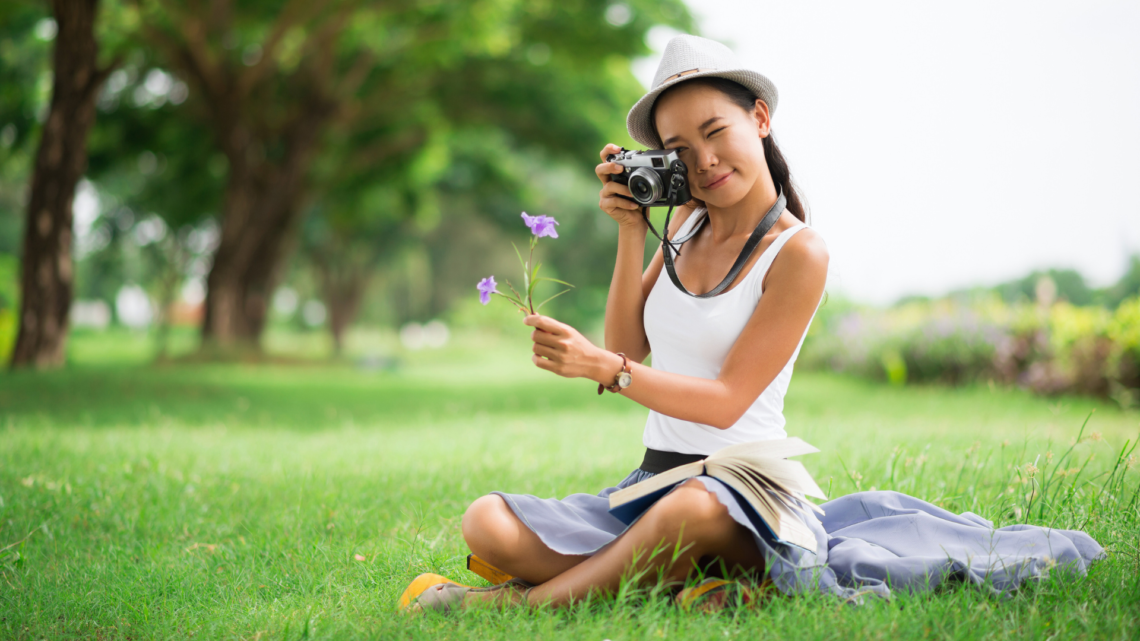
They want to start strong, so give them gear that actually helps make better photos without overwhelming them. A simple kit—an entry-level interchangeable-lens camera, a standard prime or zoom lens, a comfortable tripod, and a spare battery—covers most situations and speeds learning.
They will learn how each item affects images and which extras matter for their goals, not for marketing. The next sections break down essential gear, explain why it matters, and show practical choices that match common budgets and shooting styles.
Essential Photography Gear for Beginners
This section lists the practical gear a new photographer needs and explains why each item matters for learning composition, exposure, and reliable shooting. It emphasizes camera choice, lenses, essential accessories, and support/protection gear that fit common beginner budgets and workflows.
How to Choose Your First Camera
A beginner camera should balance ease of use, image quality, and upgrade paths. Popular options include DSLR cameras like the Nikon D3500 and budget DSLRs in the Canon EOS Rebel T7 family, plus mirrorless cameras from Canon and Sony. Mirrorless cameras often offer lighter bodies, faster autofocus, and electronic viewfinders; DSLRs may provide longer battery life and an extensive lens ecosystem.
Evaluate sensor size (APS-C is common for beginners), megapixels (16–24 MP is adequate), ergonomics, and menu clarity. Look for a camera with interchangeable lenses to learn focal length and depth of field. Prioritize a camera with good auto modes and a well-reviewed beginner interface on sites like DPReview or Adorama. Check used market prices for bodies and the availability of native lenses before deciding.
Understanding Camera Lenses
Lenses determine framing, background blur, and low-light performance. A typical starter kit includes the 18–55mm kit lens for versatility and a 50mm f/1.8 prime (“nifty fifty”) for portraits and low-light work. The kit lens covers wide-to-normal focal ranges; the 50mm prime offers sharper images and a shallow depth of field due to a wide aperture.
Learn focal length and aperture effects: shorter focal lengths widen the field of view; longer focal lengths compress perspective. Aperture controls exposure and depth of field; lower f-numbers (f/1.8–f/2.8) let more light in and blur backgrounds. Consider image stabilization in lenses for handheld shooting, and add a telephoto lens later for wildlife or sports. Stick with good-quality, affordable glass over multiple cheap zooms.
Critical Camera Accessories
Essential accessories keep the camera functioning and the workflow smooth. Buy at least two batteries and a charger to avoid missed shots. Use SD cards—UHS-I or UHS-II, Class 10—from reliable brands like SanDisk or Lexar; consider multiple cards and back them up to an SSD for long sessions.
Carry a basic lens cleaning kit: microfiber cloth, air blower, lens cleaning solution, and sensor cleaning swabs for occasional sensor dust (use swabs only if confident). Add a speedlight or external flash for flexible lighting and a 5-in-1 reflector for fill and catchlights. Keep spare memory cards, a battery grip only if extended grip/battery life is required, and start with one good strap for comfort and safety.
Support and Protection Equipment
Support and protection gear preserves equipment and improves image stability. A sturdy tripod from Manfrotto or similar brands suits landscape and long-exposure photography; prioritize load capacity and a reliable head. For travel, choose a compact, lightweight tripod; for studio or heavy lenses, select a heavier-duty model.
Invest in a quality camera bag from Lowepro, Think Tank, or similar to protect bodies, lenses, and accessories while organizing gear. Use padded dividers and weather-resistant construction when possible. Add protective filters (polarizing and neutral density) to control reflections and exposure without changing lenses. Complete the kit with insurance or careful inventory to limit gear acquisition syndrome and unnecessary purchases.